
Low Toxic Lunch Gear
- Aug 28, 2023
- 4 min read
Updated: Aug 30, 2023
Let's talk about non toxic lunch gear for our family! It's that time again where we are all thinking about back to school clothes, backpacks, lunchboxes, and all those school supplies! I want to go over some low tox options we have when preparing our children's and our own packed lunches this year.
Why does low tox matter?
It stinks, but the reality is that most lunchboxes in standard box stores like Target + Walmart and even online stores are filled with chemicals like PVC, BPA, phthalates and lead. The problem is that these chemicals can and do leach into our food, contact surfaces, and onto our hands and our children's hands when we touch and carry our lunchbox.
According to the EPA report on America’s Children and the Environment, certain environmental contaminants may affect children disproportionately since their bodies and organs are still growing and developing.
For this reason, I'm a big advocate of shopping for lower tox options for lunchbox gear. I'll walk you through and educate how to search for a better option first. It's important to be equipped on what to look out for versus just buying a name brand because someone told you to.😉 However, I know it's totally easier to get a head start on your search with some options, so after I will give you some brands that are high quality, safe, and trusted!
How to Search for a Low Tox Option
You will want to look for lunch box gear that is free of lead, phthalates (commonly found in vinyl), BPA, and PFAS (Teflon-like chemicals).
Lead–
Lead is a stabilizer in polyvinyl chloride (PVC) and has been detected on the interior and exterior linings of lunchboxes. Lead residing in the outer material can be wiped off onto children’s hands and food. The Center For Environmental Health (CEH) tested more than 150 lunchboxes for the presence of lead. Of those tested, about 10 percent contained “high levels” of lead.
The CEH now advises parents not to buy vinyl lunch boxes or to test lunch boxes that their kids already have. In another study, forty lunch boxes were tested with a rapid lead test solution and 14 (35%) were positive, confirming the frequent presence of lead. The Consumer Product Safety Information Act (CPSI) mandated that as of November 15, 2012, products designed or intended primarily for children aged 12 and younger cannot contain more than .009 ppm of lead.
Although the amount of lead found in soft vinyl lunch boxes is not enough to cause acute lead poisoning, it may be enough to contribute to health problems, including learning and developmental problems, nausea, fatigue, headache, hyperactivity, and brain and nerve damage.
PVC–
PVC (aka Polyvinyl Chloride or vinyl) is a flexible plastic used widely in kids lunch gear. It can contain harmful chemicals like lead, phthalates and BPA/BPS/BPF. Aside from the human health impacts, PVC is an environmental pollutant. During various stages of PVC production and disposal, dioxins and mercury are released into our air, water and soil. Dioxin is a well-known carcinogen and can affect the reproductive, immune, endocrine and neurological systems.
Phthalates–
Phthalates make PVC soft and pliable. A 2012 study by the Center for Health, Environment and Justice detected phthalates in 80% of school supplies, including lunch boxes. 75% of the school supplies contained phthalate levels so high, they would not be legal to sell if they were toys. Phthalates can easily leach into food and drinks from containers due to the weak bonds they form with the plastic. Phthalates have been linked to a variety of health concerns, including asthma, endocrine disruption, impacts to reproductive systems and some forms of cancer. A study from the Center for Health, Environment & Justice found that all the children’s lunch boxes tested contained up to 30 times the amount of toxic chemicals (chemicals known as phthalates) deemed safe by the federal government.
BPA, BPS and BPF–
PVC may also contain traces of the endocrine-disrupting chemical Bisphenol-A (BPA). BPA is an endocrine disrupting chemical, which means it interacts with hormones in the body. A 2018 study linked BPA with significant changes in insulin response levels, and a 2019 study found a positive association between BPA and coronary heart disease. Plastic containers labeled “BPA-free” don’t necessarily mean they’re any safer. They may contain other bisphenols, such as BPS or BPF, which have the same harmful properties as BPA. A recent study linked exposure to bisphenols in plastics to childhood obesity. Even bisphenol-free plastics may contain other endocrine-disrupting chemicals.
Low Tox Lunchbox Gear Brands

Our all time favorite lunch box brand is Planet Lunchbox. It's actually the only brand we've used in our home for about 5 years! Each child has a lunchbox, and by now we've collected a fair amount of accessories.
They are made with premium food-grade stainless steel to ensure there’s zero leaching of nasty toxins. There’s zero odor retention, cracking, and breaking with stainless steel. It’s also easy to clean, dishwasher safe, & 100% recyclable too! In addition, they use food-grade silicone for the lids and accessories because it’s durable, long-lasting, free from toxins, and flexible enough for little hands to maneuver.
Planet Box feels like a one stop shop for us. It all fits together, I'm not mixing and matching products hoping they'll fit inside the lunch tote. It's compact, safe, and most importantly durable!
Here are other lunch boxes that are non toxic:

Insulated Containers:
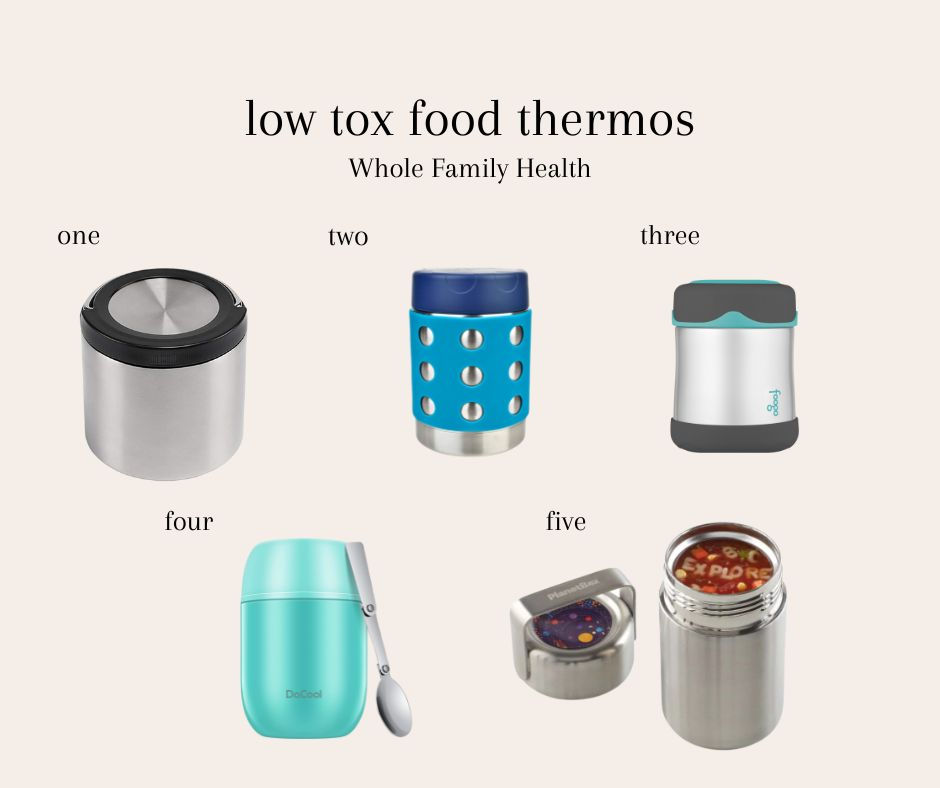
Water Bottles

Food Storage for Lunch

Bowls for Lunch

I hope this post was insightful for you! Let me know if you have any questions. If you are looking for more nontoxic kitchen items we have a whole entire Clean Living Kitchen Guide that will walk you through our entire kitchen. Everything from baby bottles to frying pans!


tỷ lệ bóng 88 hôm qua mình lướt thấy trên forum nên bấm thử cho biết. Ấn tượng đầu tiên là trang nhìn khá gọn, không màu mè quá, kéo xuống là hiểu họ đang làm kiểu tổng hợp đánh giá nhà cái với mấy đoạn giới thiệu ngắn. Mình chỉ đọc lướt phần chào mừng, thấy họ có nhắc chuyện hay cập nhật link mới nếu bị chặn, nghe cũng hợp lý vì nhiều trang hay lỗi. Không ngồi xem kỹ từng bài đâu, nhưng cách họ chia nội dung thành từng khối rõ ràng nên đỡ bị ngợp. Cuộn xuống dưới thấy mấy ô “Review Visit” xếp thành danh sách, nhìn phát biết chỗ nào là phần review…
kèo nhà cái 5 hôm bữa mình lướt thử vì thấy mọi người hay nhắc, chủ yếu xem họ trình bày ra sao chứ không có ngồi đọc kỹ. Vào trang cái là thấy phần nhận định soi kèo đặt ngay trên đầu nên nhìn phát biết đang nói về trận nào, tiêu đề cũng ghi giờ giấc rõ ràng. Mình có bắt gặp bài Stjarnan vs Valur (02h15 ngày 18 07) và phía dưới còn kèm thêm mục soi kèo tài xỉu, phạt góc nên tiện cho ai muốn xem nhanh một chỗ. Cảm giác chữ không bị dày đặc, cuộn xuống vẫn dễ theo dõi vì họ chia nội dung theo từng khối, nhìn khá gọn và rõ…